


Tactical pants are a specialized category of clothing that have evolved beyond their military origins. They are now essential gear for law enforcement, outdoor enthusiasts, and civilians who demand superior performance from their apparel. Unlike standard cargo pants or regular work pants, tactical pants are engineered with specific design principles that prioritize functionality, durability, and adaptability in demanding environments.
The history of tactical pants traces back to military requirements for clothing that could withstand harsh conditions while providing soldiers with easy access to essential equipment. Originally constructed from heavy-duty cotton canvas or wool blends, these early designs focused primarily on durability and storage capacity. As technology advanced and understanding of human performance improved, manufacturers began incorporating innovative fabrics and ergonomic design elements that transformed tactical clothing into highly sophisticated gear.
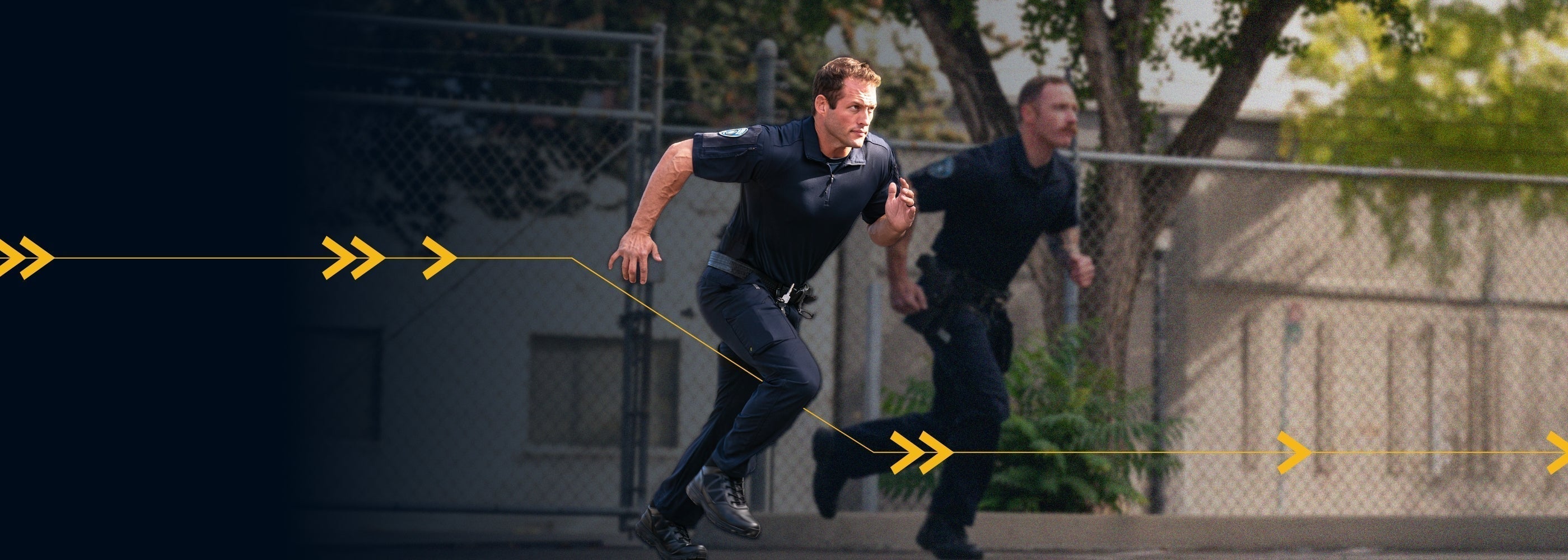
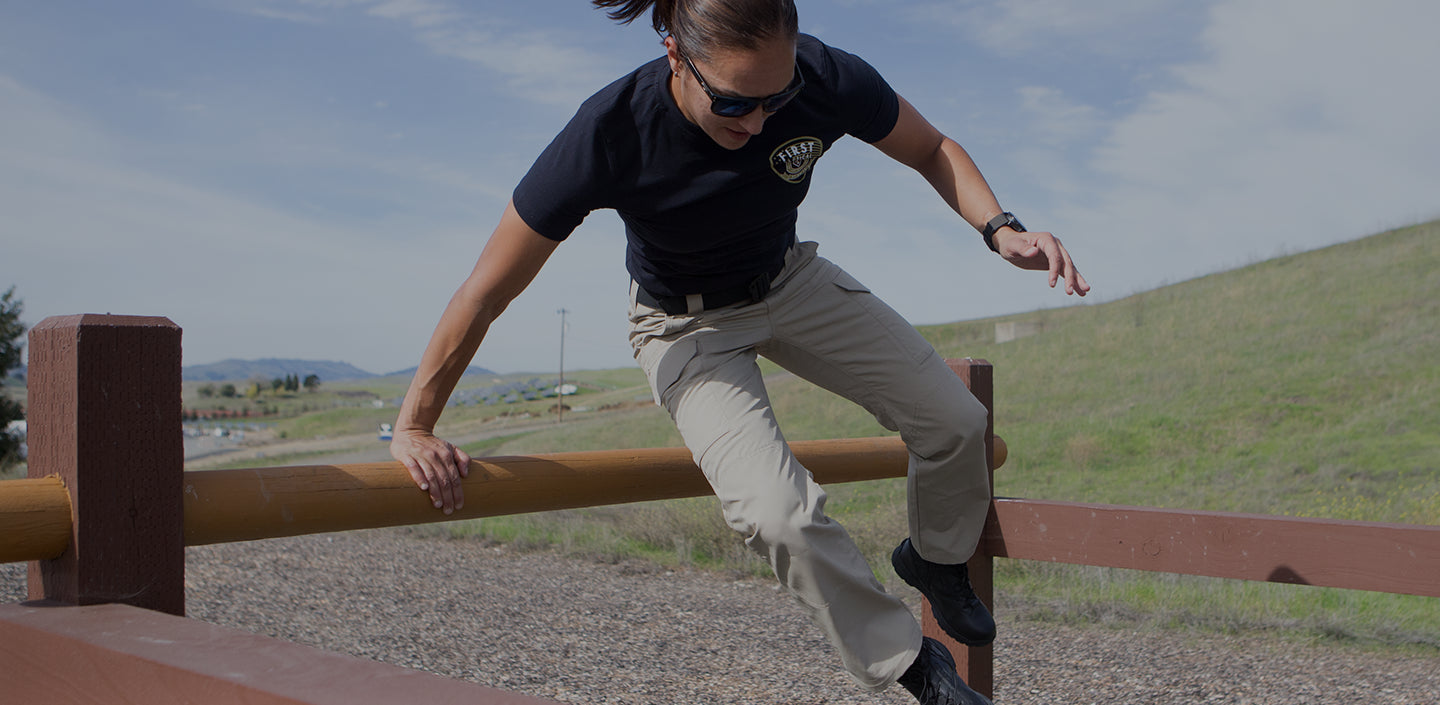
Modern tactical pants serve multiple purposes across various professional and recreational contexts. Law enforcement officers rely on them to carry essential equipment while maintaining a professional appearance during long shifts. Military personnel appreciate their durability and functionality in combat situations, while outdoor enthusiasts value their versatility for hiking, hunting, and camping. The civilian market has embraced tactical pants for everyday carry applications, where concealed carry requirements and urban preparedness have driven demand for clothing that appears conventional while offering enhanced functionality.
What distinguishes tactical pants from regular cargo pants lies in their comprehensive approach to design and construction. While regular cargo pants typically feature basic pocket additions to standard trouser patterns, tactical pants are built from the ground up with specific performance criteria in mind. The fabric selection process considers factors such as abrasion resistance, moisture management, and stretch properties. Construction techniques emphasize reinforced stress points, articulated joints, and specialized hardware that can withstand repeated use under demanding conditions. Luckily, you can upgrade regular cargo to tactical cargo pants that incorporate each of these carefully designed features and functions.
Key features that define quality tactical pants include strategically placed pockets designed for specific equipment, reinforced areas that experience high wear, and fabric treatments that enhance performance characteristics. These pants often incorporate gusseted crotches for improved mobility, articulated knees that follow natural body movement, and waistband designs that accommodate duty belts and holsters. The integration of these features creates a garment that performs as a system rather than simply providing basic coverage and storage.
Essential features to look for in tactical pants
When evaluating tactical pants best suited for your needs, understanding the essential features that contribute to superior performance becomes crucial for making an informed decision. The most important characteristics of high-quality tactical pants extend beyond basic construction to encompass specialized design elements that enhance functionality in demanding situations.
Durability stands as the foundation of exceptional tactical pants, beginning with fabric selection and extending through every aspect of construction. For an example of pants built with these principles, consider First Tactical’s V2 range of Men's Tactical Pants, developed for enhanced durability and ease of movement with an enduring professional appearance. They incorporate advanced textile technologies such as micro-ripstop weaves that prevent tear propagation.

Mobility represents another critical feature that separates superior tactical pants from standard alternatives. First Tactical’s incorporation of 2-way mechanical stretch systems ensures overall garment integrity without the issue of sagging, while providing additional room for movement with reduced stress on seams during high-mobility situations. These design elements work in conjunction with carefully selected fabrics that offer appropriate stretch characteristics without compromising durability.
Storage optimization goes far beyond simply adding pockets to existing designs. Strategic pocket placement considers the specific needs of different user groups, with law enforcement professionals requiring easy access to handcuffs, radios, and defensive tools. The size, shape, and closure mechanisms of each pocket are carefully engineered to accommodate specific equipment types while maintaining security during vigorous activity.
Specialized features that enhance tactical functionality include reinforced knee areas that can accommodate removable or integrated knee pads, providing protection during extended kneeling or crawling activities. The incorporation of running gusset construction in tactical pants provides wearers with full motion ability, while triple needle stitching at critical seams keeps pants durable for first responder professionals in the medical field, for example, who are always on the move.
The integration of hardware components on tactical pants, such as YKK zippers, military-specification buttons, and reinforced belt loops contributes significantly to overall performance and longevity. Quality hardware resists corrosion, maintains smooth operation under adverse conditions, and provides secure closure mechanisms that won't fail during critical moments. The selection of appropriate hardware also considers factors such as noise generation, with some applications requiring silent operation capabilities
Comfort features that support extended wear include moisture management systems that wick perspiration away from the skin, preventing discomfort and reducing the risk of chafing during long periods of activity. Waistband designs that distribute weight evenly and accommodate various body types ensure that heavily loaded tactical pants remain comfortable throughout extended use periods. The integration of stretch panels in key areas provides additional comfort without compromising the structural integrity of the garment. Water resistance and ventilation technology are also incorporated into specific ranges of tactical pants worn by professionals who work in warm or sometimes wet environments, ensuring comfort and continued functionality.
Understanding these essential features sets the stage for a deeper dive into the materials that make it all possible. The right fabric can significantly enhance the performance and comfort of tactical pants, making material selection a critical consideration.
Material matters: choosing the right fabric for your needs
The fabric selection process for tactical pants and other tactical clothing items represents one of the most critical decisions affecting overall performance, durability, and user satisfaction. Understanding the characteristics and applications of different textile technologies enables informed choices that align with specific operational requirements and environmental conditions.
Micro-ripstop fabric technology forms the backbone of First Tactical’s V2 and A2 ranges of men’s and women’s tactical pants, utilizing a specialized weaving technique that incorporates heavier reinforcement threads at regular intervals throughout the fabric structure than traditional ripstop fabric. The lightweight, micro-ripstop fabric promotes tear containment at the fiber level, while offering a smooth surface feel with less abrasion, a greater professional appearance, and increased strength.
Cotton-polyester blends represent a balanced approach to tactical pants construction, combining the natural breathability and comfort of cotton with the durability and quick-drying properties of synthetic fibers. These blends typically range from 50/50 to 65/35 ratios, with higher cotton content providing increased comfort and breathability, while higher polyester content enhances durability and moisture management. The specific blend ratio significantly affects fabric behavior, with 50/50 blends offering optimal balance for most applications, while 65/35 cotton-heavy blends provide superior comfort for extended wear in moderate climates. The choice of weave (e.g., twill, canvas) also influences the fabric's texture, drape, and resistance to abrasion.
Four way stretch material incorporate elastane or spandex fibers that provide stretch capabilities in both horizontal and vertical directions, dramatically improving mobility and comfort during dynamic activities. The percentage of stretch fiber typically ranges from 2% to 5%, with higher percentages providing increased flexibility at the potential cost of durability. Quality flexible tactical pants maintain their shape and stretch properties even after repeated washing and extended use, while inferior products may experience stretch degradation that affects fit and performance over time. The type of elastane fiber and its construction within the fabric matrix also influence the stretch and recovery characteristics.
 Two way stretch fabric provides stretch characteristics in a single direction, typically horizontally across the fabric width, offering improved comfort and mobility while maintaining structural integrity in the vertical direction. This construction method provides a cost-effective approach to incorporating stretch properties without the complexity and expense of four-way stretch materials. The directional stretch characteristics make 2 way stretch fabric particularly suitable for applications where horizontal flexibility is more important than vertical stretch. The type of weave and the integration of stretch fibers determine the degree of stretch and recovery.
Fabric weight considerations significantly impact the performance characteristics of tactical pants, with lighter weights (4-6 ounces per square yard) providing enhanced breathability and comfort in warm climates - a key characteristic of First Tactical’s V2 BDU tactical pants. Heavier weights (8-12 ounces per square yard) offer increased durability and protection in harsh environments. The selection of appropriate fabric weight depends on intended use, climate conditions, and personal preferences regarding the balance between protection and comfort. Heavier fabrics generally offer greater abrasion resistance and tear strength, while lighter fabrics enhance mobility and reduce heat retention.
Specialized fabric treatments enhance the performance characteristics of tactical pants through the application of various chemical and mechanical processes. Durable Water Repellent (DWR) treatments cause water to bead and roll off the fabric surface, providing protection against light precipitation and moisture while maintaining breathability. The double-dye dipping process saturates deeper into fibers, reducing fading and providing an extended professional appearance, which essential for professionals in the first responder fields. Antimicrobial treatments help control odor-causing bacteria, particularly important for tactical pants that may be worn for extended periods in challenging conditions. These treatments are typically applied during the manufacturing process and maintain effectiveness through multiple washing cycles, though their performance may diminish over time with heavy use and frequent cleaning.
With the right fabric selected, the next crucial step is ensuring the pants fit correctly. Proper fit not only enhances comfort but also maximizes mobility and overall performance. Let's explore the key considerations for achieving the ideal fit and sizing in tactical pants.
Fit and sizing: ensuring comfort and mobility
Achieving the optimal fit requires careful consideration of multiple factors that affect both immediate comfort and long-term performance, especially when selecting the right tactical pants. The relationship between proper sizing and functional capability cannot be overstated, as poorly fitted tactical pants can significantly compromise mobility, comfort, and operational effectiveness.
Waist sizing in tactical pants differs from standard casual wear due to the additional equipment load and specialized waistband construction designed to accommodate duty belts and holsters. The waistband should fit snugly enough to support equipment weight without requiring excessive belt tension, while providing sufficient room for natural body movement and breathing. Quality tactical pants often incorporate expanding waistband technologies that provide additional comfort during extended sitting or when carrying heavy equipment loads. These expanding waistbands may utilize elastic panels or adjustable closures to accommodate changes in waist size.
Hip and thigh measurements become particularly critical in tactical pants due to the presence of cargo pockets and the need for unrestricted leg movement during dynamic activities. The fit through these areas should allow for full range of motion without creating excess fabric that can snag on equipment or restrict movement. The integration of stretch fabrics in key areas can provide additional accommodation for muscular individuals or those who require enhanced mobility. The cut of the pants through the hips and thighs can vary from athletic to relaxed, influencing the overall fit and freedom of movement.
Inseam length considerations extend beyond simple aesthetic preferences to encompass functional requirements such as boot compatibility and protection coverage. Tactical pants should provide adequate length to prevent gaps between the pant hem and boot top while avoiding excess fabric that can create tripping hazards or snag on obstacles – an essential consideration for specific categories like law enforcement tactical pants. Some manufacturers offer multiple inseam lengths within each waist size to accommodate different body proportions and boot preferences. Adjustable hem designs, such as drawstrings or hook-and-loop closures, can further customize the inseam length.
The gusseted crotch design represents a critical feature that significantly impacts comfort and mobility in tactical pants. This diamond-shaped fabric insert provides additional room for natural body movement while reducing stress on seams during high-mobility activities such as climbing, crawling, or assuming shooting positions. The size and shape of the gusset affect its performance, with larger gussets providing greater mobility at the potential cost of a more relaxed fit through the crotch area. The type of fabric used in the gusset can also influence its performance, with stretch fabrics providing enhanced flexibility.

Articulated knee construction involves pre-shaping fabric panels to follow the natural bend of the knee joint, reducing fabric bunching and improving comfort during extended kneeling or crouching activities. This design feature works in conjunction with appropriate fabric selection to ensure that tactical pants move naturally with the body rather than restricting movement or creating pressure points. The degree of articulation can vary, with some designs incorporating multiple darts or pleats to enhance the anatomical fit.
Rise measurements, which determine the distance between the crotch and waistband, significantly affect comfort and functionality in tactical pants. Higher rise designs provide better coverage and support for equipment-heavy waistbands, while lower rise options may offer a more contemporary appearance at the potential cost of functional capability. The optimal rise depends on individual body proportions, equipment requirements, and personal preferences. A higher rise can also provide better lumbar support when carrying heavy loads.
Sizing consistency varies significantly between manufacturers, making it essential to consult specific sizing charts and customer feedback when selecting tactical pants. Some brands run large or small compared to standard sizing, while others may have different proportional relationships between waist and hip measurements. Understanding these variations helps ensure proper fit without the need for returns or exchanges. Checking online reviews and forums can provide valuable insights into the sizing tendencies of different brands.
Once you've found the right fit, the next step is to consider how the pants will be used to carry essential gear. The pocket configuration plays a crucial role in optimizing storage and accessibility, ensuring that everything you need is within easy reach.
Care and maintenance of tactical pants
Proper care and maintenance of tactical pants significantly extends their service life while maintaining optimal performance characteristics. The specialized fabrics, treatments, and construction methods used in quality tactical pants require specific care procedures that differ from standard clothing maintenance practices.
Washing procedures for tactical pants must consider the various fabric treatments and specialized materials that may be affected by standard laundry practices. DWR treatments can be degraded by fabric softeners and high-temperature washing, requiring the use of specialized detergents and careful temperature control. Micro-ripstop fabrics may require gentle washing cycles to prevent damage to the reinforcement threads, while stretch materials need specific care to maintain their elastic properties over time. Always check the manufacturer's care instructions before washing tactical pants.
The pre-treatment of stains becomes particularly important for tactical pants due to their exposure to various contaminants including oils, biological materials, and chemical substances. Different stain types require specific treatment approaches, with protein-based stains requiring enzymatic cleaners while oil-based stains may need degreasing agents. The prompt treatment of stains prevents permanent setting that can compromise both appearance and fabric performance. Avoid using harsh chemicals or abrasive cleaners that can damage the fabric or treatments.
Drying procedures significantly affect the longevity and performance of tactical pants, particularly those with specialized fabric treatments or stretch materials. High-temperature drying can damage DWR coatings, degrade stretch fibers, and cause shrinkage in natural fiber blends. Air drying provides the gentlest treatment but may not be practical for users who require quick turnaround times. Low-temperature tumble drying offers a compromise that provides reasonable drying speed while minimizing fabric damage. Consider using a drying rack or clothesline to air dry tactical pants whenever possible.
The maintenance of water-resistant treatments requires periodic renewal to maintain optimal performance characteristics. DWR treatments naturally degrade over time and through washing cycles, requiring reapplication using specialized products designed for technical fabrics. The reapplication process typically involves cleaning the garment thoroughly, applying the treatment according to manufacturer instructions, and heat-setting the treatment using controlled temperature exposure. Follow the manufacturer's instructions carefully when reapplying DWR treatments.
Repair procedures for tactical pants often require specialized techniques and materials to maintain performance characteristics. Simple tears in micro-ripstop fabrics can often be repaired using iron-on patches designed for technical fabrics, while more complex repairs may require professional attention. The replacement of hardware components such as zippers or buttons should utilize components that match the original specifications to maintain functionality and durability. Consider seeking professional repair services for complex repairs or alterations.
Regular inspection of tactical pants helps identify potential problems before they become serious issues that compromise performance or safety. Areas that require particular attention include stress points such as pocket corners and seam intersections, hardware components that may show signs of wear or corrosion, and fabric treatments that may need renewal. Early identification of problems allows for preventive maintenance that extends garment life and maintains optimal performance. Check for loose threads, damaged zippers, and worn areas on a regular basis.
Final Considerations for Tactical Pant Selection
Selecting the right tactical pants involves balancing numerous factors, from fabric and fit to specialized features and intended use. Prioritize durability with micro-ripstop or reinforced materials, and ensure comfort with features like gusseted crotches and articulated knees. Consider the specific demands of your activities or professional duties, and choose pants with appropriate pocket configurations and specialized features like knee pad integration or concealed carry options.
Remember that proper care and maintenance are crucial for extending the life of your tactical pants. Follow the manufacturer's instructions for washing, drying, and storing your pants to maintain their performance characteristics. Regularly inspect your pants for signs of wear and tear, and address any issues promptly to prevent further damage.
Ultimately, the best tactical pants are those that meet your individual needs and preferences. By carefully considering the factors outlined in this guide, you can make an informed decision and choose tactical pants that provide the durability, comfort, and functionality you need to excel in any situation. With the right pair of tactical pants, you'll be well-equipped to handle whatever challenges come your way.