


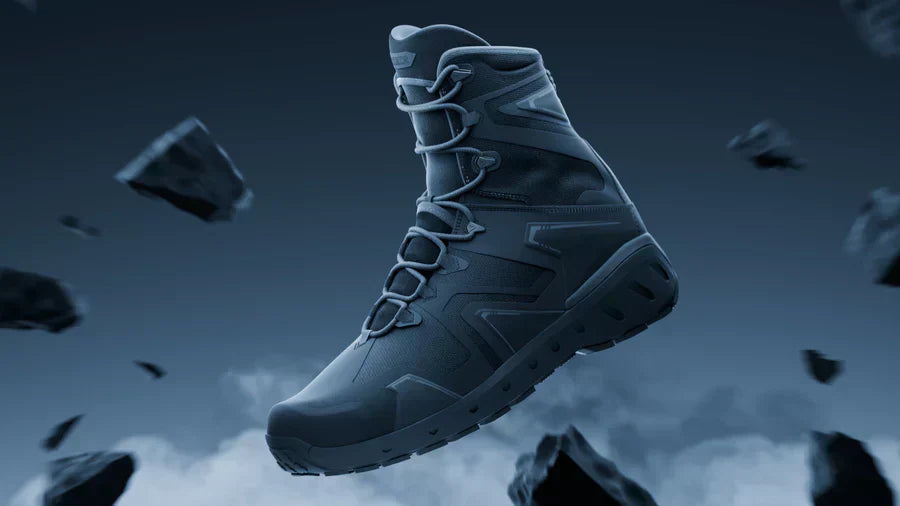
Professionals in law enforcement, military units, emergency medical services, and fire departments depend on specialized tactical footwear for safety, agility, and sustained comfort. But what are tactical boots, and what sets them apart from other kinds of active footwear? The answer lies in the rigorous demands of these professions and the specific technical construction that sets tactical boots apart from everyday footwear.
Unlike standard work boots, tactical boots are engineered with specific features tailored for demanding operations. Key among these are advanced sole systems, quick adjustable lacing, reinforced toes and heels, moisture-wicking linings, and waterproof membranes. These technical elements ensure tactical footwear meets stringent industry requirements, providing protection, maneuverability, and all-day comfort in environments where these factors can be critical.
Material choices are a defining characteristic of tactical shoes. Typically, they combine full-grain leather for abrasion resistance and durability with high-density nylon or CORDURA® for lightweight breathability, creating a versatile shell. Soles often use slip-resistant rubber and may include puncture resistance or electrical hazard certifications. Hardware, such as YKK® zippers and non-corrosive eyelets, ensures reliability, especially during rapid responses.

Performance standards for tactical boots are higher than those for civilian models. These standards often include passing tests for slip resistance, impact, and water penetration. Many boots are also certified by military or industry bodies like ASTM or NFPA. Specialized features can include flame resistance, anti-microbial linings, and removable insoles to accommodate orthotics or specific foot needs.
The necessity of tactical boots for professionals stems from the demands of their work environments. Whether it's officers engaged in foot pursuits across varied terrain, military personnel undertaking rigorous training exercises or field operations, or rescue teams responding to hazardous, wet, or fire-prone locations, tactical boots provide a crucial line of defense. They are engineered for performance, protection, and resilience, far exceeding the capabilities and comfort of regular boots in these high-stakes professions.
Combat boots vs tactical boots: understanding the key differences
A common question among professionals is the distinction between combat boots and tactical boots, and when to choose each. While there is some overlap, the differences arise from each boot’s intended use, construction approach, and performance requirements.
 Combat boots are fundamental for military operations. Built to strict military specifications, they are engineered for maximum protection and durability in combat zones. Features include high-ankle support to prevent injuries under heavy loads, full-grain leather construction for abrasion resistance, reinforced toe caps, and thick, aggressive outsoles for traction on varied terrain. Many models use Goodyear-welted or direct-attach construction to withstand heavy use, water exposure, and repeated flexing.
Tactical boots, in contrast, represent a broader category designed for law enforcement, EMS, fire services, and non-frontline military roles. They emphasize agility, lightweight design, and versatility, while still providing protection. Tactical boots often feature a mix of lightweight synthetic and leather uppers, athletic shoe-like midsoles for flexibility, and side zippers or quick-lace systems for rapid deployment. Slip resistance, underfoot comfort, and features like waterproof membranes are more central than the uncompromising ruggedness of combat boots.
The decision between the two depends on the operational environment. Military deployments, rough terrains, and long marches favor reliable, often heavier combat boots. Law enforcement professionals, EMTs, and security staff benefit from the lighter, more flexible construction and urban-centric performance of tactical boots. Both types adhere to strict standards for durability, safety, and comfort, each excelling in scenarios they were designed to address.
Essential features for the best tactical shoes and boots
Understanding the features that distinguish effective tactical footwear can be crucial for ensuring dependable performance and comfort. Technical advancements in material science, sole construction, and performance standards contribute to both comfortable tactical boots suitable for long shifts and effective duty boots for demanding missions.
High-quality tactical footwear begins with materials. Advanced uppers incorporate abrasion-resistant full-grain leather, CORDURA® nylon, or ripstop fabrics that minimize weight while maintaining durability. These materials perform well in high-stress environments and are often treated with water- and stain-repellent coatings. For users needing waterproofness, integrated breathable membranes, such as GORE-TEX®, offer weather protection without excessive heat buildup.
Midsole and outsole construction form the foundation of tactical performance. Lightweight EVA or polyurethane (PU) midsoles offer a balance of cushioning and energy return, helping to reduce fatigue over extended wear. Outsoles with aggressive lug patterns provide multidirectional grip, which is essential in unpredictable or slippery environments. Rubber compounds are selected for oil, slip, and abrasion resistance, with some duty boots featuring specialized treads for tactical applications like rope climbing or rapid descents.
Critical upper construction includes triple or quadruple stitching at stress points, robust eyelets or speed-lace systems for quick adjustments, and, in many tactical models, YKK® zippers or hook-and-loop closures that aid rapid donning and removal—especially helpful for EMTs and first responders. Toe and heel protection come from reinforced thermoplastic or composite materials, with tactical boots often including an internal shank to increase stability without adding excessive weight.
Inside the boot, features like moisture-blocking antimicrobial linings combat odor and keep feet dry, while removable insoles allow for swapping in orthotics or additional padding. Shock-absorbing heel cups and arch support technologies reduce joint stress and contribute directly to comfort. Breathability is enhanced through mesh panels or moisture channels, and some duty boots even include temperature-regulating materials or insulation for climate-specific needs.
Performance testing standards support the claims of leading tactical boot brands. Many undergo rigorous ASTM, SATRA, or military-specified tests for durability, slip resistance, and protective toe capabilities, ensuring real-world performance aligns with expectations. For professionals seeking effective duty boots, verified certifications are essential, providing confidence in demanding situations.
Weight considerations: finding the best lightweight tactical boot
Having explored the essential features, the weight of tactical boots is a critical consideration, especially for professionals on their feet for extended periods. Here’s what to consider when seeking a lightweight tactical boot option.
 Given the physical demands faced by professionals, a lightweight tactical boot is often a priority. While protection and durability are important, weight directly affects agility, endurance, and overall fatigue, especially during extended shifts, patrols, or field deployments.
Carrying extra weight on your feet increases energy expenditure and, over time, can slow response times or contribute to joint strain. The best lightweight tactical boot achieves a balance: light enough to reduce fatigue but sturdy enough for tactical duty. Most quality lightweight tactical boots weigh between 2 to 4 pounds per pair, with some ultra-light models weighing even less for specialized roles like urban rapid response.
This achievement in weight savings is made possible through several innovations:
- Replacing traditional heavy leathers with lightweight, tough synthetics or TPU overlays.
- Using EVA or PU foam midsoles, which offer cushioning at a lower density than rubber.
- Designing outsoles with minimized lugs or hollow channels to reduce weight without sacrificing grip.
- Using composite toe and shank protection instead of steel to reduce weight while maintaining safety.
Proper weight distribution is as important as overall weight. A well-designed boot distributes weight evenly across the foot, with a secure heel cup and contoured arch support to prevent hotspots or foot fatigue. Ergonomic design plays a key role, as do materials that flex and move naturally with the wearer.
Comfort and fit
Beyond weight, comfort and fit are paramount for tactical boots designed for all-day wear. Here’s how to ensure your boots provide lasting comfort during long shifts.
For professionals who spend hours standing, running, or responding on unpredictable surfaces, comfortable tactical boots can make a significant difference. Foot fatigue can impair readiness. Therefore, what features should be prioritized to ensure lasting comfort?
Ergonomically contoured footbeds and a well-considered boot shape are essential. Boots that follow the natural curves of the foot, with a sufficiently wide toe box and molded heel cup, reduce pressure points and allow unrestricted toe movement. This fit improves comfort and minimizes the risk of blisters and stress injuries.
Modern designs incorporate advanced cushioning, such as midsoles made of high-rebound EVA, PU foams, or shock-absorbing gels. These technologies efficiently disperse impact, protecting joints during hours of standing or rapid movement. Removable, anatomically shaped insoles further personalize support and can accommodate orthotics for those with specific needs.
Supportive arch systems are valuable for tactical professionals, as overpronation or flat feet can cause discomfort and injury over time. Arch supports, internal shanks, and external heel counters work together to stabilize the foot, especially under load or during lateral movement.
Moisture management is also critical. Moisture-wicking linings and breathable mesh panels create a microclimate that keeps feet dry, limiting the growth of odor-causing bacteria and reducing friction. For those working in extreme climates, moisture management supports temperature regulation and overall boot comfort.
A tailored fit is integral to comfort. Tactical boots should be tried on later in the day (when feet tend to swell), with professional-grade socks, to ensure a precise fit without pinching or heel slippage. Many manufacturers offer multiple width options and variable lacing systems to accommodate different foot shapes.
Finally, the break-in process matters. Even comfortable tactical boots may feel stiff initially. Wearing them around the house for short periods and using boot conditioners can help the materials conform to individual foot shapes. Premium tactical boots are often designed to minimize the break-in period, but attention to this process ensures comfort from day one.
Waterproof protection
Water exposure is a common hazard and a source of discomfort for tactical professionals. Choosing waterproof tactical boots ensures operational readiness in rain, snow, standing water, or urban flooding. However, selecting the right waterproofing approach requires balancing protection and breathability, considerations crucial to both comfort and performance.
The best tactical waterproof boots incorporate a waterproof membrane. These membranes are engineered with micropores large enough for vapor to escape (reducing sweat buildup) but too small for liquid water to penetrate. This creates a barrier that keeps external moisture out while allowing internal moisture to evaporate, which is critical for sustained comfort in variable conditions.

Other options for waterproof tactical boots include water-resistant coatings applied to outer materials. While effective in light rain or splashes, coatings can degrade over time and lack the robust protection of a dedicated internal barrier. Professional-grade boots typically pair these coatings with seam-sealing (using waterproof tape or welding at vulnerable stitching lines) for added protection. Fully gusseted tongues prevent water from leaking in at the laces.
However, adding waterproof membranes can limit breathability, particularly when paired with thick leather or vinyl uppers in a non-ventilated design. In humid or hot climates, this can lead to discomfort, even in otherwise high-quality waterproof boots. Some manufacturers address this by integrating mesh ventilation panels or using lighter, moisture-wicking linings, prioritizing an effective balance for year-round use.
Performance ratings for waterproof tactical footwear often reference the Moisture Vapor Transmission Rate (MVTR), which measures how effectively moisture escapes. High MVTR ratings indicate greater breathability, but protection from water entry should remain the priority in persistently wet environments, such as search and rescue missions or patrols in inclement weather.
For most professionals, selecting waterproof tactical boots depends on anticipated exposure. For repeated water crossings, swampy terrain, or long rainy shifts, a fully waterproof membrane is essential. In arid, high-performance roles where moisture control is more important than complete waterproofness, water-resistant coatings and breathable designs may be preferable. Always ensure seams are fully sealed and check manufacturer specifications for both waterproofing and breathability to match your operational needs.
Proper fit, break-in, and maintenance for maximum performance
Selecting the right tactical boots is only the first step. Proper fit, break-in, and maintenance are crucial for maximizing performance and longevity.
No tactical boot will perform as promised without a good fit, break-in period, and maintenance. For professionals, these are essential for maximizing lifespan, comfort, and protection.
Fitting begins with measurement (including foot length and width) and trying on boots in the afternoon with duty socks. Good shops offer fitting services, but at home, ensure toes can wiggle freely, the heel is locked in, and no seam creates pressure. Lacing techniques can fine-tune fit.
The break-in process is important. While flexible tactical boots may feel comfortable immediately, stiffer combat boots may require a methodical approach:
- Wear boots indoors for an hour, gradually increasing as the boot molds to your foot.
- Use boot conditioners (leather, as applicable) to soften pressure points.
- Address hot spots early with padded socks or moleskin patches.
Maintenance is key to performance. After every shift:
- Clean off mud, debris, and chemicals with specialized cleaners.
- Air dry away from direct heat; use boot trees to retain shape.
- Reapply water-repellent sprays or conditioners as indicated.
- Check seams, eyelets, and soles for wear; address repairs early.
For boots with removable insoles, consider periodic replacement. Laces, zippers, or hooks may require tightening or replacement as part of a routine service schedule.
By following these steps—fitting and adjustment, break-in, and cleaning and inspection—you’ll maximize the performance and lifespan of your tactical boots.